
The 2026 LEAF SUV Is About to Arrive: Answering Your Top 5 Questions
The 2026 LEAF SUV Is About to Arrive: Answering Your Top 5 Questions
Posted on September 25, 2025
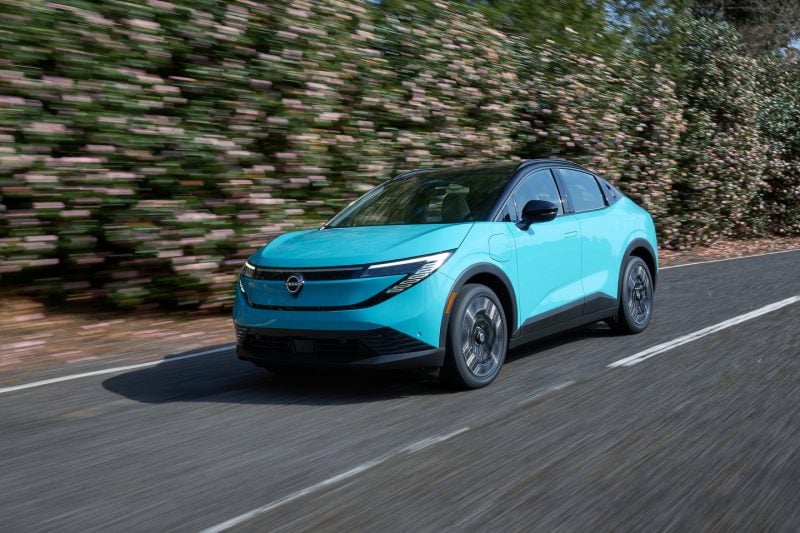
Electric vehicles continue gaining popularity across Ontario, and Nissan's upcoming 2026 LEAF SUV builds on over 15 years of EV experience. This third-generation model transforms the familiar LEAF into a family-friendly crossover with SUV-like stance and increased capabilities. With its arrival this fall, many drivers have questions about what this electric SUV offers compared to traditional vehicles and other EVs.
The all-new LEAF adopts a crossover design while maintaining Nissan's focus on accessible electric driving. From range and charging to practical features and new technology, the 2026 LEAF addresses the most common questions about electric SUV ownership in Ontario.
Quick Reference: 2026 LEAF SUV Key Facts
| Specification | S Grade | S+ Grade | SV+ Grade | Platinum+ Grade |
| Motor Power | 174 hp, 254 lb-ft | 214 hp, 261 lb-ft | 214 hp, 261 lb-ft | 214 hp, 261 lb-ft |
| Battery Capacity | 53 kWh | 75 kWh | 75 kWh | 75 kWh |
| Estimated Range | TBD | 488 km | 463 km | 417 km |
| Charging Port | J1772 and NACS | J1772 and NACS | J1772 and NACS | J1772 and NACS |
| Seating | 5 passengers | 5 passengers | 5 passengers | 5 passengers |
| Cargo Volume | 577 litres (seats up) | 577 litres (seats up) | 577 litres (seats up) | 577 litres (seats up) |
Question 1: What's the Real-World Range?
The 2026 LEAF SUV offers different range estimates based on the trim level you choose. The S+ grade with the 75 kWh battery provides an estimated 488 km of range, while the SV+ delivers 463 km and the Platinum+ offers 417 km. The variation relates to different wheel sizes and equipment levels affecting aerodynamics.
Ontario drivers should expect range to vary based on weather conditions, driving habits, and use of climate control. Cold winter temperatures reduce range in all electric vehicles, while highway driving typically provides different efficiency than city driving.
The S grade uses a smaller 53 kWh battery pack with range estimates still to be determined. This entry-level option may appeal to drivers with shorter daily commutes who want electric driving at a lower price point.
Question 2: How Is It Different from the Old LEAF?
The 2026 LEAF marks a complete transformation from the previous generation. The most obvious change is the SUV-like stance and crossover design, replacing the previous hatchback body style. The new model sits higher off the ground and provides more cargo space for family needs.
Technical improvements include liquid-cooled battery packs, which help maintain performance in extreme temperatures. The previous LEAF used air-cooled batteries that could experience reduced performance in very hot or cold conditions. The new liquid cooling system should provide more consistent performance year-round.
Other major upgrades include:
- Dual 14.3-inch displays on higher trim levels
- Available Google Built-In connectivity
- Wireless Apple CarPlay and Android Auto
- Flush door handles for improved aerodynamics
- Available dimming panoramic roof with heat shielding
Question 3: What Does the SUV Design Add?
The crossover design provides several practical advantages over the previous hatchback layout. Higher seating position improves visibility in traffic and provides a more commanding driving position that many Ontario drivers prefer. The increased ground clearance helps during winter driving and when navigating rough parking lots.
Cargo space benefits from the taller design, offering 577 litres behind the rear seats. When the 60/40 split rear seats fold down, the LEAF provides 1,572 litres of total cargo capacity. The higher liftover height balances easier loading with the taller stance.
The SUV proportions also allow for improved aerodynamics compared to the previous model. The new shape helps achieve better range efficiency while providing the interior space families need for daily use.
Question 4: How Does the NACS Port Work?
The 2026 LEAF includes both the traditional J1772 charging port and the newer North American Charging Standard (NACS) port. This dual-port setup provides access to the widest possible charging network across Ontario and North America.
The J1772 port works with existing Level 2 home chargers and most public charging stations currently installed across Ontario. The NACS port provides access to Tesla's Supercharger network, significantly expanding fast-charging options for longer trips.
Plug & Charge functionality simplifies the charging process by automatically identifying your vehicle and handling payment without requiring apps or cards. This feature works at compatible charging stations, making the charging experience more like filling up with gasoline.
The vehicle includes Vehicle-to-Load (V2L) capability, allowing you to power external devices using the LEAF's battery. An adapter connects to the exterior J1772 port to provide 1,500 watts of power for tools, camping equipment, or emergency home backup.
Question 5: When Will It Be Available and How Much Will It Cost?
The 2026 LEAF SUV will arrive at Canadian Nissan dealerships this fall, initially with the 75 kWh battery option only. Additional trim levels and the 53 kWh option will follow later.
Pricing has not been announced yet, but the LEAF typically positions itself as an accessible entry point to electric driving. The current generation starts around $37,000, and the new SUV model will likely carry a premium for the additional space and updated technology.
Ontario's electric vehicle incentives may apply to the new LEAF, potentially reducing the purchase price. The federal iZEV rebate offers up to $5,000 for eligible electric vehicles, while some municipalities provide additional incentives for EV purchases.
Advanced Technology Features
The higher trim levels include several technology firsts for the LEAF nameplate. Google Built-In integration brings familiar Google services directly to the vehicle's infotainment system. Google Maps provides real-time navigation with charging station information, while Google Assistant handles voice commands.
The available Bose Personal Plus audio system includes 10 speakers positioned throughout the cabin for an immersive listening experience. The system includes headrest speakers for the front seats, creating a personal audio zone for each occupant.
Available 19-inch wheels provide a more dynamic appearance, while the dimming panoramic roof offers an open-air feeling with heat-shielding technology to maintain cabin comfort.
Charging and Range Planning
The 2026 LEAF supports DC fast charging up to 35 minutes for 10% to 80% charge on compatible stations. Home charging using a 240V Level 2 charger provides the most convenient daily charging solution for most Ontario drivers.
The onboard 7.2 kW charger handles home charging efficiently, while the dual charging ports ensure compatibility with the expanding charging infrastructure across Ontario. Range planning becomes simpler with the integrated navigation system that includes charging station locations and real-time availability.
Experience the Electric Future at Kitchener Nissan
The 2026 LEAF SUV will arrive this fall, bringing proven electric technology in a family-friendly package. Book your test drive today at our Kitchener dealership to stay informed about availability and be among the first to experience Nissan's latest electric innovation.