
Pure Electric or Plug-In Hybrid? Comparing the 2026 LEAF and Rogue PHEV for Ontario Drivers
Pure Electric or Plug-In Hybrid? Comparing the 2026 LEAF and Rogue PHEV for Ontario Drivers
Posted on January 3, 2026
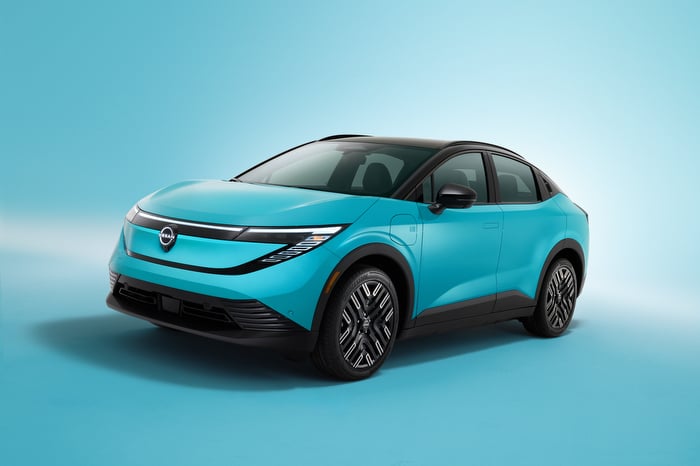
Navigating Kitchener's winter roads requires a vehicle that handles snow, ice, and cold temperatures with confidence. For drivers considering electrified options, Nissan offers two distinct choices: the all-electric 2026 LEAF and the plug-in hybrid 2026 Rogue PHEV.
Both deliver electric driving benefits, but each takes a different approach to winter commuting in Ontario. Understanding how these vehicles perform on icy roads like Weber Street - and which one suits your daily driving needs - helps you make the right choice for year-round reliability and comfort.
Powertrain Fundamentals: Pure Electric vs Plug-In Hybrid
The 2026 Nissan LEAF operates as a fully electric vehicle. It uses a 75 kWh liquid-cooled lithium-ion battery paired with a 214 horsepower electric motor delivering 261 lb-ft of torque. With an estimated range of up to 488 kilometres per charge, the LEAF handles daily commutes and weekend trips entirely on electricity.
The 2026 Nissan Rogue PHEV pairs two electric motors, a 20 kWh lithium-ion battery, and a 2.4 L 4-cylinder gasoline engine. Total system output reaches 248 horsepower and 332 lb-ft of torque.
The Rogue PHEV offers 61 kilometres of all-electric range for short trips, with a combined electric and gasoline range of 687 kilometres. When the battery depletes, the gasoline engine takes over.
For drivers with predictable daily routes under 60 kilometres, the LEAF provides zero-emission commuting. For those who frequently travel beyond Kitchener - or prefer backup gasoline capability - the Rogue PHEV eliminates range concerns.
Winter Performance: Battery Management and Traction
Cold weather affects all electric vehicles, but Nissan has engineered both models to handle Ontario winters.
The 2026 LEAF features an enhanced battery thermal management system. A resin cover beneath the vehicle shields the battery from cold air, snow, and slush. The system captures waste heat from the drive motor and onboard charger, repurposing it to warm the battery to its ideal temperature range. This maintains energy efficiency and predictable charging performance even in freezing conditions.
A standard battery heater allows drivers to pre-warm the battery before charging in cold weather. The LEAF also includes an energy-efficient heat pump to warm the cabin without draining excessive battery power.
The Rogue PHEV's dual powertrain provides flexibility in winter conditions:
- Seven drive modes (Normal, Power, Eco, Tarmac, Gravel, Snow, Mud) optimize power delivery and torque distribution
- Standard Intelligent All-Wheel Drive distributes power to all four wheels for improved traction on icy roads
- Snow mode adjusts throttle response and brake distribution for slippery surfaces
Note: AWD enhances traction but does not replace dedicated winter tires for severe ice conditions.
Both vehicles handle winter driving confidently, but the Rogue PHEV's AWD system and multiple drive modes offer additional control on slippery surfaces.
Charging Convenience: Infrastructure and Speed
The 2026 LEAF features dual charging ports for maximum flexibility:
- J1772 port (driver's side) connects to home Level 2 chargers and many public stations
- North American Charging Standard (NACS) port (passenger side) unlocks access to Tesla Superchargers
- Fast charging: 10% to 80% in 35 minutes at compatible DC fast chargers
Plug & Charge technology simplifies public charging. When activated, drivers plug in at compatible stations and charging begins automatically - no app or payment card required. The NISSAN Energy Charge Network provides access to over 25,000 public chargers across Canada through the MyNISSAN app.
The Rogue PHEV's smaller 20 kWh battery charges fully in 7.5 hours on a Level 2 home charger or 16 hours using a standard 120V outlet. The included portable Level 1 charger plugs into any household outlet. For drivers who primarily charge at home overnight, this setup requires minimal infrastructure investment.
Charging Comparison
| Feature | 2026 LEAF | 2026 Rogue PHEV |
| Battery Capacity | 75 kWh | 20 kWh |
| Fast Charging (10-80%) | 35 minutes | Not available |
| Level 2 Charging (Full) | ~10.5 hours | 7.5 hours |
| Charging Ports | J1772 + NACS | J1772 |
| Public Charging Network | 25,000+ stations | 25,000+ stations |
Daily Driving Range: Urban vs Extended Travel
The LEAF's 488-kilometre range covers most daily driving scenarios in Kitchener and surrounding areas. Trips to Toronto, London, or Niagara Falls remain feasible with strategic charging stops.
The Rogue PHEV's 61-kilometre electric range handles typical urban commutes on electricity alone. Once the battery depletes, the gasoline engine extends total range to 687 kilometres. This dual capability eliminates charging anxiety for drivers who occasionally travel long distances or lack reliable charging access.
For Kitchener residents with home charging and predictable routines, the LEAF provides cost-effective, zero-emission driving. For those who value unlimited range flexibility, the Rogue PHEV delivers electric benefits without compromising long-distance capability.
Cabin Space and Practicality
The 2026 LEAF seats five passengers with a focus on minimalist design:
- Dual 14.3-inch screens (SV+ and PLATINUM+ grades) integrate Google built-in, including Google Maps, Google Assistant, and the Play Store
- Flat floor beneath the dashboard maximizes interior space
- Cargo capacity: 1,570 litres with the second row folded
The Rogue PHEV offers three-row seating for seven passengers:
- Second row slides, reclines, and folds forward for third-row access
- Cargo capacity: 362 litres behind the third row, 872 litres with the third row lowered, 1,832 litres with both rear rows folded
- Motion-activated power liftgate and tri-zone automatic climate control
Families requiring seven-seat capacity will find the Rogue PHEV more practical. Those prioritizing tech integration and a streamlined cabin may prefer the LEAF's modern interior.
Technology and Safety Features
Both vehicles include Nissan Safety Shield 360:
- Automatic Emergency Braking with Pedestrian Detection
- Blind Spot Warning
- Rear Cross Traffic Alert
- Lane Departure Warning
- High Beam Assist
The LEAF adds:
- 3D Around View Monitor with Fixed Views Moving Object Detection
- Front Wide View
- ProPILOT Assist
- Bose Personal Plus sound system with 10 speakers (higher trims)
The Rogue PHEV includes:
- Intelligent Around View Monitor
- ProPILOT Assist with Navi Link
- Bose nine-speaker premium audio system
- 3-inch digital instrument cluster
- 9-inch touchscreen
- 10-inch head-up display
Both vehicles deliver advanced driver assistance and connectivity, with the LEAF focusing on EV-specific features and the Rogue PHEV emphasizing family-oriented convenience.
Cost Considerations and Fuel Savings
The 2026 LEAF S+ starts at $44,998 MSRP. Higher trims include the SV+ at $47,998 MSRP and PLATINUM+ at $52,798 MSRP.
Rogue PHEV pricing will be announced closer to its early 2026 arrival. As a plug-in hybrid, it qualifies for different provincial incentives compared to the all-electric LEAF.
Operating costs favour the LEAF for drivers who charge at home and drive primarily on electricity. The Rogue PHEV's 3.6 Le/100 km combined fuel economy provides efficiency when operating in hybrid mode, but gasoline costs apply beyond the 61-kilometre electric range.
Which Electrified Nissan Suits Your Kitchener Commute?
Choose the 2026 Nissan LEAF if you:
- Have reliable home or workplace charging access
- Drive predictable daily routes under 400 kilometres
- Want zero-emission driving and lower operating costs
- Prefer advanced EV technology and streamlined design
- Primarily commute within Kitchener and occasional trips to nearby cities
Choose the 2026 Nissan Rogue PHEV if you:
- Need three-row, seven-passenger seating
- Frequently travel beyond electric range limits
- Prefer the security of gasoline backup capability
- Require maximum cargo flexibility for family activities
- Want AWD confidence on icy winter roads without range concerns
Experience Both Electrified Nissans at Kitchener Nissan
Both the 2026 Nissan LEAF and 2026 Rogue PHEV deliver electric driving benefits tailored to different lifestyles. Whether you prioritize zero-emission range or plug-in hybrid versatility, our team at Kitchener Nissan can help you explore both options.
The LEAF is available for test drives now. For the 2026 Rogue PHEV, inquire about availability and reserve your spot to be among the first to experience this new plug-in hybrid SUV.