
Nissan Enhances Safety Systems in Latest Autonomous Tests
Nissan Enhances Safety Systems in Latest Autonomous Tests
Posted on March 5, 2025
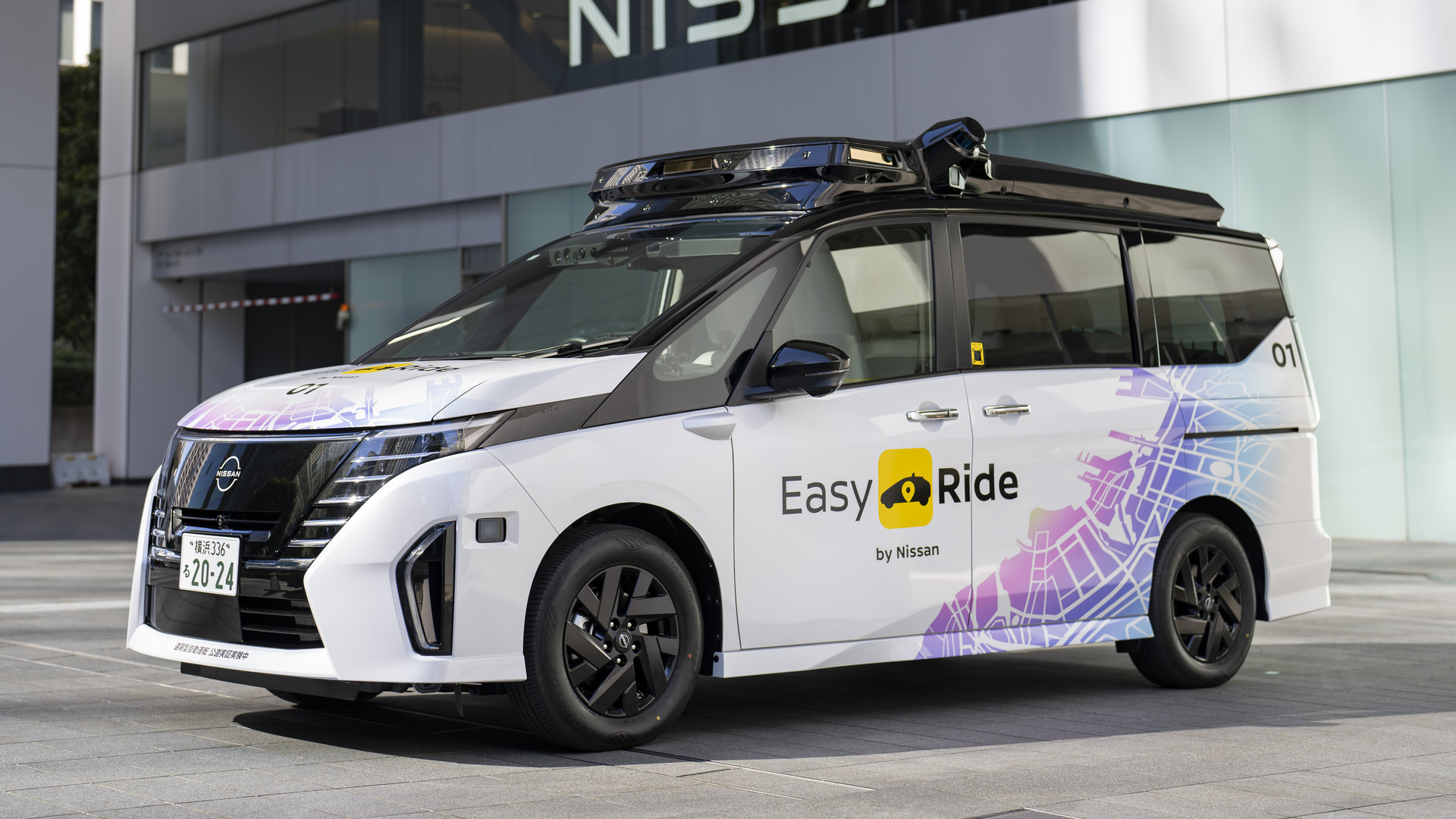
Safety takes centre stage in Nissan's latest autonomous driving tests in Yokohama. With extensive scenario verification, emergency stop functionality, and intentional redundancies, the technology prioritizes passenger security alongside innovation. The test marks the first time in Japan that a vehicle with no driver has successfully navigated public roads in a complex urban environment.
This significant advancement builds on Nissan's ongoing autonomous-drive (AD) technology development since fiscal year 2017. The company aims to address transportation service challenges faced by local communities, such as driver shortages resulting from an aging population, while maintaining the highest safety standards possible.
Advanced Sensor Array
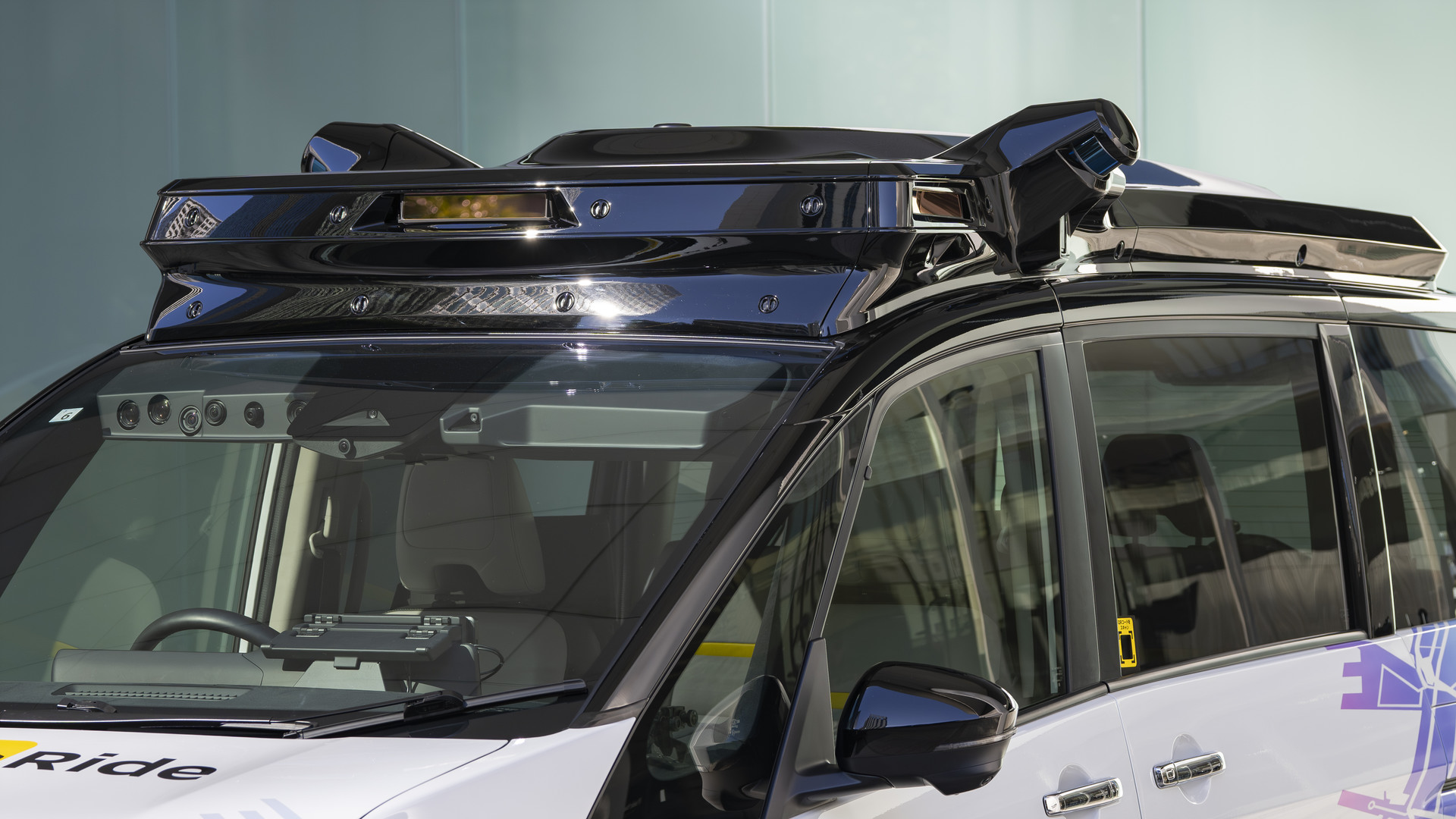
The test vehicles, based on the popular Serena minivan, feature an impressive safety-focused sensor system. With 14 cameras, nine radars, and six LiDAR sensors mounted on the roof, these vehicles achieve significantly expanded detection capabilities. The height advantage of the Serena platform allows for more accurate environmental awareness compared to earlier test vehicles.
This comprehensive sensor array works in tandem with enhanced artificial intelligence systems. The AI significantly improves recognition, behavioural prediction, and judgment capabilities, resulting in smoother operation across various complex scenarios while maintaining safety parameters.
Multiple Safety Redundancies
Your safety remains the top priority in Nissan's autonomous development program. Before conducting the driverless demonstration, Nissan engineers verified an extensive number of possible scenarios along the driving route. This thorough testing process ensures the vehicle can handle unexpected situations safely.
The engineering team also incorporated an immediate stop function for emergencies and implemented intentional redundancies throughout the system. These multiple layers of protection work together to create a robust safety framework that protects both passengers and pedestrians.
Global Safety Verification
Nissan maximizes its efforts to establish and verify the safety of autonomous drive technology for different traffic conditions worldwide. This comprehensive approach includes research conducted in Japan, insights from the Nissan Advanced Technology Center in Silicon Valley, and participation in the UK's evolvAD project.
This global perspective allows Nissan to develop autonomous systems that adapt to various driving environments, weather conditions, and traffic patterns while maintaining consistent safety standards. The technology undergoes rigorous testing across these diverse scenarios before advancing to public road trials.
Future Planning
Nissan's commitment to safety continues as the company moves toward service demonstration tests in Yokohama. Approximately 20 vehicles will participate in these tests during fiscal years 2025 to 2026, building an operational framework and service ecosystem with key stakeholders.
By fiscal year 2027, Nissan aims to provide autonomous driving mobility services in collaboration with municipalities and transportation operators. These services will include remote monitoring systems that add another layer of safety oversight to the autonomous operation.
The future of transportation grows safer and more accessible with each advancement in Nissan's autonomous technology. Experience the same commitment to innovation and safety across the current Nissan lineup at Kitchener Nissan, where tomorrow's technology influences today's vehicles.