
How Nissan Engineers Electrified the Legendary R32 GT-R
How Nissan Engineers Electrified the Legendary R32 GT-R
Posted on January 28, 2025
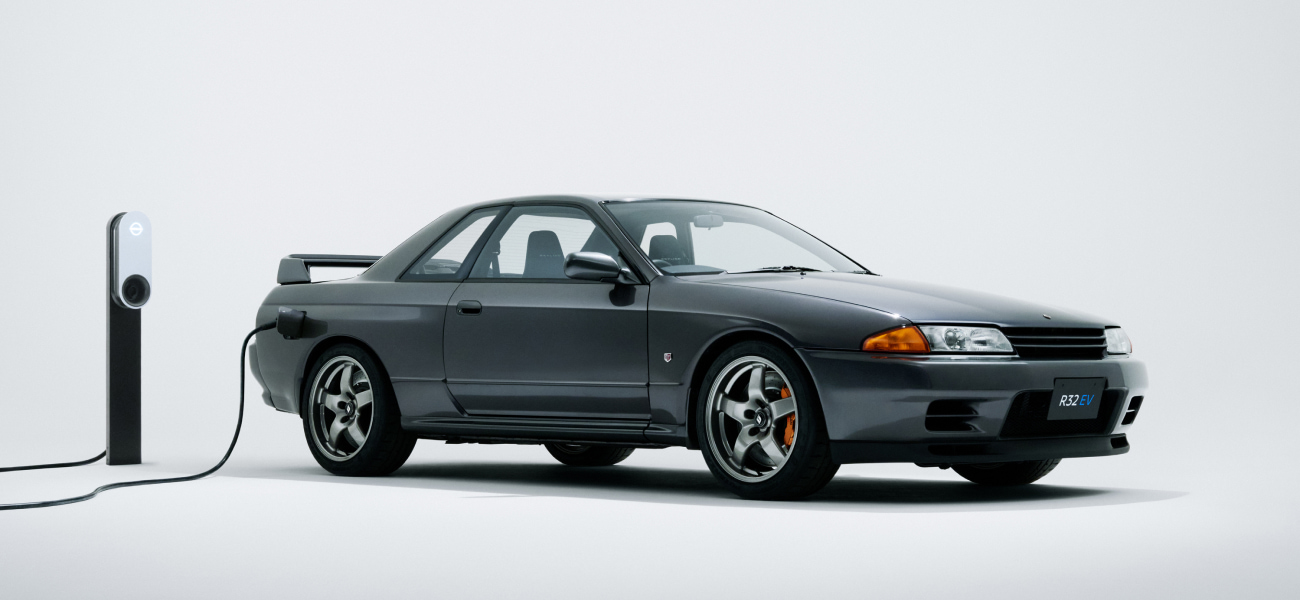
Nissan engineers achieved something remarkable by converting the iconic R32 GT-R to electric power while maintaining its celebrated performance capabilities. This technical feat required extensive engineering innovation to preserve the GT-R's distinctive driving character while embracing electric technology. The project showcases the potential for classic performance cars to thrive in an electric future.
The engineering team faced the complex challenge of matching the original GT-R's performance without compromising its handling dynamics. Their success demonstrates how thoughtful engineering can bridge the gap between classic sports cars and modern electric powertrains.
Power and Performance Engineering
The electric conversion centres around two precisely calibrated 160-kilowatt electric motors. These motors deliver 251 pound-feet of torque each, carefully matched to recreate the power delivery characteristics of the original twin-turbocharged engine. The engineering team positioned the motors to maintain optimal weight distribution, crucial for preserving the GT-R's renowned handling balance.
The 62-kilowatt-hour battery pack, sourced from the LEAF NISMO RC02, required careful integration into the chassis. Engineers removed the rear seats to accommodate the battery system, maintaining the car's centre of gravity while providing sufficient range for performance driving sessions.
Chassis Development and Integration
The additional weight of the electrical components presented a significant engineering challenge. The team addressed this through a comprehensive suspension upgrade featuring NISMO Sports components and Öhlins dampers. These modifications ensure the R32 EV maintains its predecessor's sharp handling despite carrying an additional 815 pounds.
The braking system received substantial upgrades to handle the increased mass. The team adapted larger rotors and monoblock calipers from the R35 GT-R, providing the stopping power needed for the electrified chassis while maintaining pedal feel and modulation.
Advanced Systems Integration
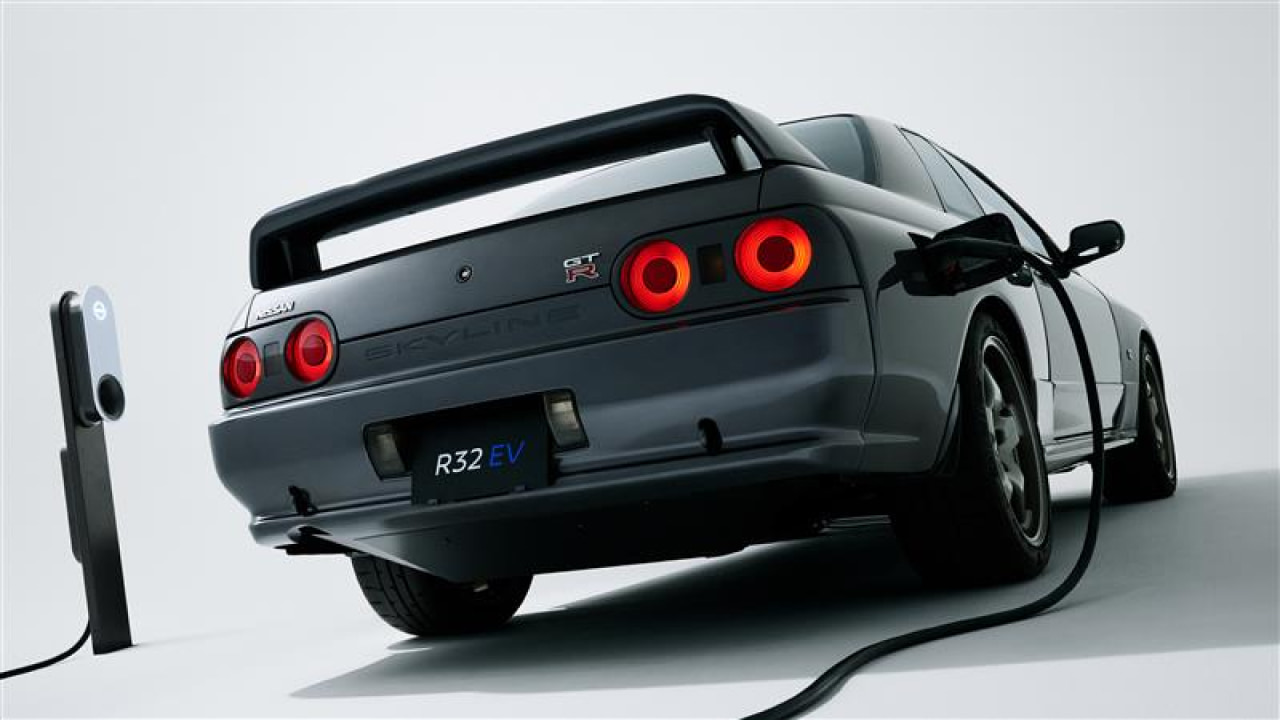
The dual-motor all-wheel-drive system showcases the engineering team's innovative approach. Modern sensors and direct motor control enable faster, more precise torque distribution than the original mechanical ATTESA E-TS system. This advancement enhances the R32's legendary all-weather performance capabilities.
The engineering team developed sophisticated control software to manage power delivery. The system includes paddle shifters and programmed shift shock simulation, preserving the engaging driving experience GT-R owners expect while adding the instant response of electric power.
Technical Solutions and Real-World Applications
Interior engineering focused on seamless integration of modern technology. High-resolution digital displays replace the original gauges while maintaining the classic layout. The engineering team carefully calibrated these systems to provide essential information without disrupting the classic GT-R driving experience.
The project's implications extend beyond this single vehicle. The engineering solutions developed for the R32 EV demonstrate how classic performance cars can be preserved and enhanced through electrification. At Kitchener Nissan, we see this project as a glimpse into future possibilities for performance car preservation.
The engineering team's success in electrifying the R32 GT-R proves that electric conversion can enhance rather than diminish a classic performance car's character. For drivers interested in learning more about current Nissan electric vehicle technology, our team at Kitchener Nissan offers detailed insights into how these engineering achievements translate to today's vehicles.