
Can the 2026 Nissan Rogue PHEV Beat Highway 401 Traffic in EV Mode?
Can the 2026 Nissan Rogue PHEV Beat Highway 401 Traffic in EV Mode?
Posted on December 23, 2025
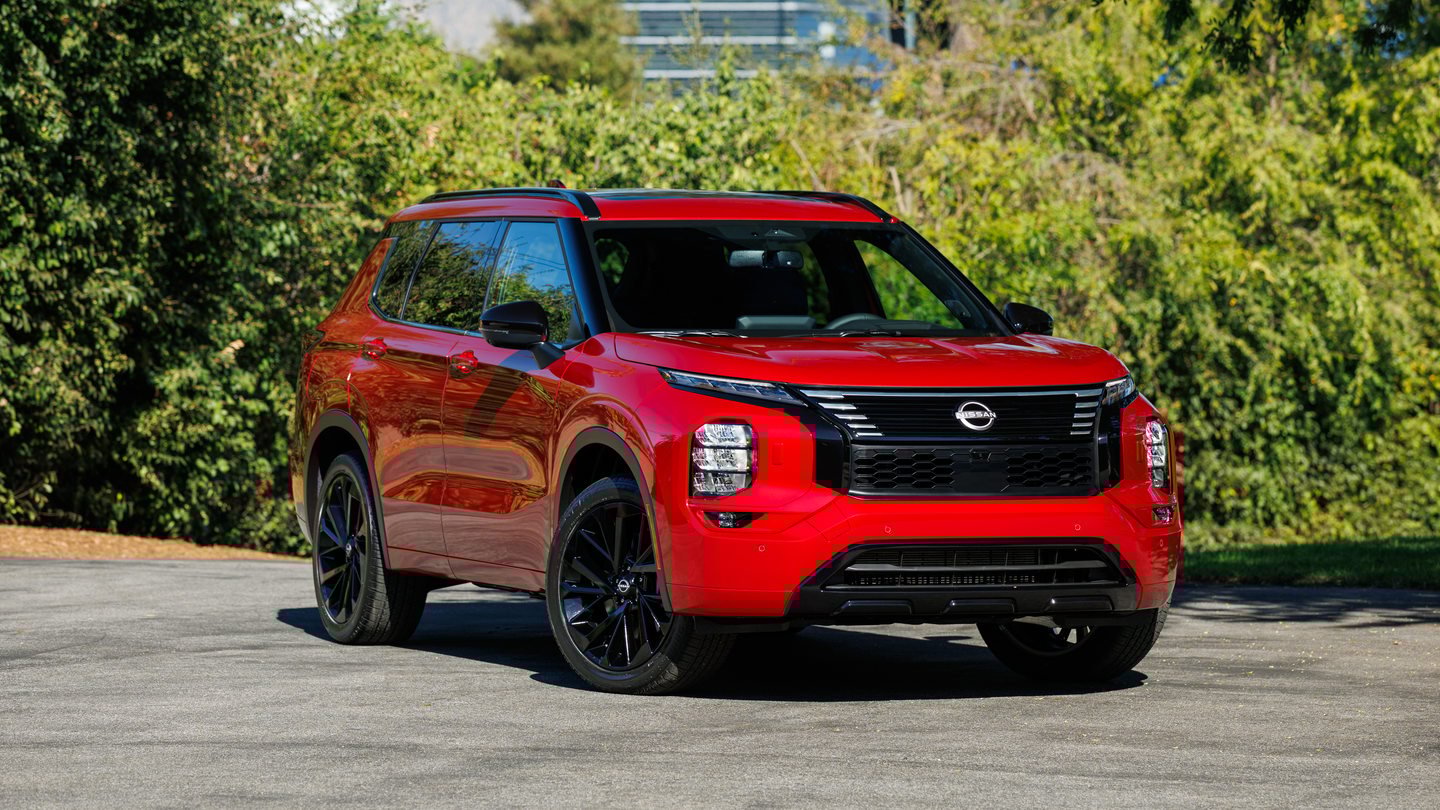
Commuters in Kitchener know the frustration: Highway 401 grinds to a halt, fuel gauges drop, and stress levels climb. But what if your SUV could glide through gridlock without burning a drop of gas? The 2026 Nissan Rogue Plug-in Hybrid introduces a smarter way to handle stop-and-go traffic—using pure electric power when it matters most.
This isn't about avoiding Highway 401 entirely. It's about using the Rogue PHEV's dual powertrain to your advantage: electric motors for crawling through congestion, and a 2.4 L gasoline engine for highway stretches when traffic clears. With 61 km of all-electric range and intelligent drive modes, this plug-in hybrid is built for real-world Ontario driving conditions.
How EV Mode Works in Stop-and-Go Traffic
The Rogue PHEV's EV mode prioritizes the 20 kWh lithium-ion battery and dual electric motors—114 hp at the front, 134 hp at the rear—to deliver 248 horsepower and 332 lb-ft of total system torque. In bumper-to-bumper traffic, this setup eliminates fuel consumption entirely while maintaining smooth, responsive acceleration.
When you're stuck between Kitchener and Cambridge during rush hour, the Rogue PHEV operates silently on electric power alone. The front motor handles most low-speed propulsion, while the rear motor engages for all-wheel traction when needed. Unlike conventional hybrids that cycle the engine on and off, the Rogue PHEV can sustain EV-only operation for extended periods—ideal for Highway 401's unpredictable slowdowns.
Key EV Mode Benefits in Traffic:
- Zero fuel consumption during stops and crawls
- Instant torque response for gap closures (332 lb-ft available immediately)
- Reduced cabin noise compared to engine operation
- Regenerative braking recovers energy during frequent deceleration
The system automatically manages battery charge to maximize electric-only driving. If you know gridlock awaits, activating EV mode before merging onto Highway 401 ensures the gasoline engine stays off until you need it.
Drive Mode Strategy: When to Switch Between EV and HV
The Rogue PHEV offers three operational modes—EV, Save, and Charge—plus seven terrain-focused drive modes (Normal, Power, Eco, Tarmac, Gravel, Snow, Mud). Understanding when to deploy each mode transforms how you handle Highway 401's varied conditions.
EV Mode is your default for congested sections. It prioritizes battery power and keeps the 2.4 L engine dormant. Use this from Kitchener through Cambridge when traffic slows below 80 km/h.
Save Mode preserves remaining battery charge by running the gasoline engine. Activate this during free-flowing highway stretches—say, westbound past Milton—so you can return to EV mode when approaching Toronto's congestion zones.
Charge Mode uses the engine to replenish the battery while driving. This is less efficient than plugging in at home, but strategic if you're heading into downtown Toronto after a long highway stint and want electric range for urban navigation.
For Highway 401 specifically, a two-mode approach works best: EV mode for stop-and-go sections, then switch to Save mode once speeds exceed 100 km/h to bank electric range for the next bottleneck.
Real-World Range Management: 61 km Goes Further Than You Think
The Rogue PHEV's 61 km all-electric range might seem modest, but in traffic conditions, it stretches considerably. Highway 401 gridlock rarely exceeds 40 km/h for extended periods, and frequent braking triggers regenerative charging that feeds power back into the battery.
Consider a typical Kitchener-to-Toronto commute: 110 km total distance. If 70 km of that involves stop-and-go traffic (a conservative estimate during peak hours), the Rogue PHEV can handle the entire congested portion on battery power alone. The remaining 40 km of free-flowing highway uses the gasoline engine, delivering an estimated combined fuel economy of 3.6 Le/100 km.
Regenerative braking plays a critical role here. Every time you lift off the accelerator or apply the brakes, the electric motors convert kinetic energy back into stored charge. In heavy traffic with constant deceleration, this can extend your effective electric range by 10–15% compared to steady-speed driving.
The 687 km total range (electric + gasoline) means you can make multiple round trips between Kitchener and Toronto without refuelling or recharging—though plugging in overnight maximizes electric-only operation for the next day's commute.
Charging Infrastructure: Level 2 at Home, Public Options on the Route
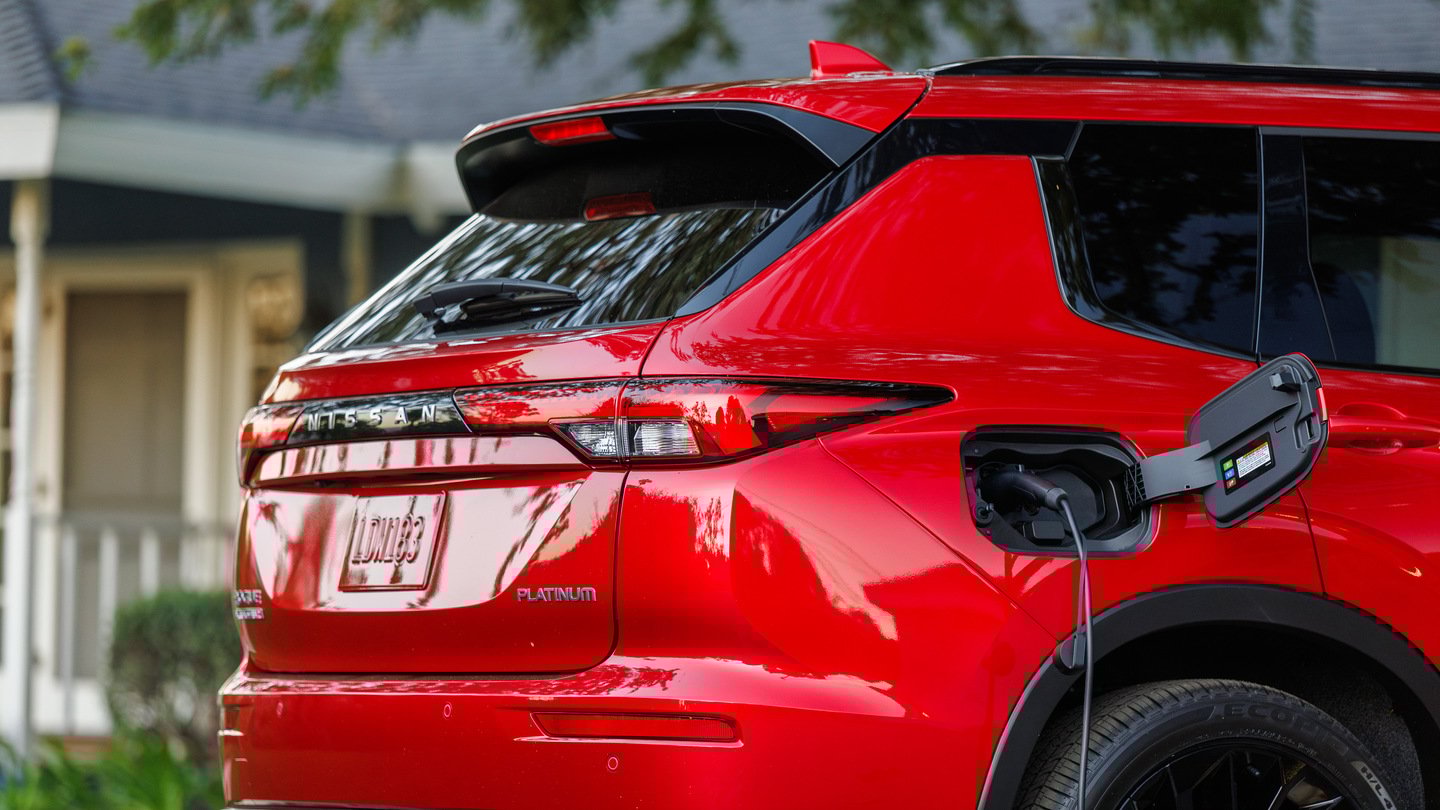
The Rogue PHEV includes a portable 120V charging cable, but Level 2 home charging (240V) is the practical choice for daily use. A full charge takes 7.5 hours at 240V—overnight charging ensures you start each morning with a full 61 km of electric range.
For Kitchener drivers, this means leaving work with enough battery to handle the Highway 401 crawl home, then plugging in at your garage. By morning, the Rogue PHEV is ready for another zero-emission commute through congestion.
Public charging along Highway 401 remains limited compared to urban centres, but strategic stops exist at ONroute service centres and shopping plazas near Cambridge and Milton. The Rogue PHEV's J1772 charging port is compatible with all Level 2 public stations.
Charging Time Breakdown:
- Level 2 (240V): 7.5 hours for full charge
- Level 1 (120V): 16 hours for full charge
- Public DC Fast Charging: Not supported (AC charging only)
Most drivers won't need public charging for daily Highway 401 commutes—home charging covers typical usage. Public stations near Cambridge and Milton provide backup options for longer trips or unexpected detours.
Interior Comfort During Extended Traffic Delays
Three-row seating for seven passengers gives families flexibility, but the Rogue PHEV's cabin design also addresses long traffic delays. Tri-zone automatic climate control maintains comfort without draining the battery excessively, while second-row sunshades reduce heat buildup during summer gridlock.
The 9-inch touchscreen with wireless Apple CarPlay and wired Android Auto keeps occupants entertained when traffic stalls. Rear passengers benefit from dedicated USB-A and USB-C ports, plus available 120V power outlets for charging devices or running small appliances.
Acoustically laminated front door glass reduces highway noise—a feature you'll appreciate when trucks idle alongside you in stop-and-go traffic. Leather-appointed seats and a heated steering wheel add comfort during winter commutes when Highway 401 becomes even less predictable.
Cargo capacity remains practical despite the battery pack: 362 litres behind the third row, expanding to 872 litres with the third row folded. This accommodates daily commuter gear plus weekend trip luggage without sacrificing passenger space.
Comparing the Rogue PHEV to Conventional Hybrids
Standard hybrids rely on smaller battery packs and can't sustain EV-only operation. They cycle the engine on and off constantly, which improves fuel economy but doesn't eliminate fuel consumption in traffic.
The Rogue PHEV's plug-in architecture changes this equation. With 20 kWh of battery capacity (versus ~1–2 kWh in conventional hybrids), it can run purely on electricity for the entire congested portion of your commute. The gasoline engine only activates when battery charge depletes or when you demand full power for highway merging.
Fuel economy reflects this difference: the standard Rogue achieves 7.6 L/100 km combined, while the Rogue PHEV delivers 3.6 Le/100 km (gasoline-equivalent including electric consumption). In real-world Highway 401 traffic, the PHEV's advantage widens further—you're using zero fuel during the slowest portions of your drive.
The trade-off is upfront cost and charging discipline. The Rogue PHEV requires nightly charging to maximize its electric range, while conventional hybrids need no external power source. But for daily Highway 401 commuters, the fuel savings and electric-only operation justify the additional investment.
ProPILOT Assist: Reducing Driver Fatigue in Gridlock
Standard ProPILOT Assist with Navi Link provides steering assistance, adaptive braking, and acceleration support—features that significantly reduce fatigue during extended traffic delays. The system maintains a set distance from the vehicle ahead, automatically adjusting speed as traffic flows and stops.
In Highway 401 gridlock, ProPILOT Assist handles the repetitive gas-brake-gas cycle, allowing you to focus on steering and monitoring surroundings. The system works seamlessly with the Rogue PHEV's electric motors, providing smooth acceleration and deceleration without the jerky transitions common in engine-driven hybrids.
Intelligent Cruise Control with full stop capability means the Rogue PHEV can come to a complete halt in traffic, then resume motion when the vehicle ahead moves—no need to constantly modulate the brake pedal. This feature alone transforms long commutes from exhausting to manageable.
The 12.3-inch digital instrument cluster and 10-inch head-up display keep critical information visible without requiring you to look away from the road. Battery charge status, remaining electric range, and ProPILOT Assist status all appear in your direct line of sight.
At a Glance: 2026 Nissan Rogue PHEV Key Specifications
| Specification | Details |
| Powertrain | 2.4 L 4-cylinder engine + dual electric motors |
| Total System Output | 248 hp, 332 lb-ft |
| Battery Capacity | 20 kWh lithium-ion |
| All-Electric Range | 61 km |
| Total Range | 687 km (electric + gasoline) |
| Fuel Economy (Combined) | 3.6 Le/100 km |
| Charging Time (Level 2) | 7.5 hours |
| Drive Modes | EV, Save, Charge + 7 terrain modes |
| Seating Capacity | 7 passengers (3 rows) |
| Cargo Volume | 362 L (behind third row), 872 L (third row folded) |
Your Highway 401 Solution Awaits at Kitchener Nissan
The 2026 Nissan Rogue Plug-in Hybrid redefines how Ontario drivers approach highway commuting. By combining 61 km of all-electric range with intelligent drive modes and a gasoline backup, it turns Highway 401 gridlock from a fuel-draining ordeal into an opportunity for zero-emission driving.
From navigating morning rush hour between Kitchener and Cambridge to tackling the Toronto stretch during evening congestion, the Rogue PHEV's dual powertrain adapts to real-world conditions. Charge at home overnight, activate EV mode for stop-and-go sections, and let the gasoline engine handle free-flowing highway stretches—all while achieving 3.6 Le/100 km combined fuel economy.
Experience the Rogue PHEV's traffic-beating capabilities firsthand. Visit our team at Kitchener Nissan to explore how plug-in hybrid technology transforms your daily commute across Ontario's busiest highway.